Exhibitions
The museum occupies all four floors of the building, which are easily accessible thanks to an external panoramic elevator made of glass and steel. There is also an internal staircase, primarily used as an emergency exit.
The Ground Floor
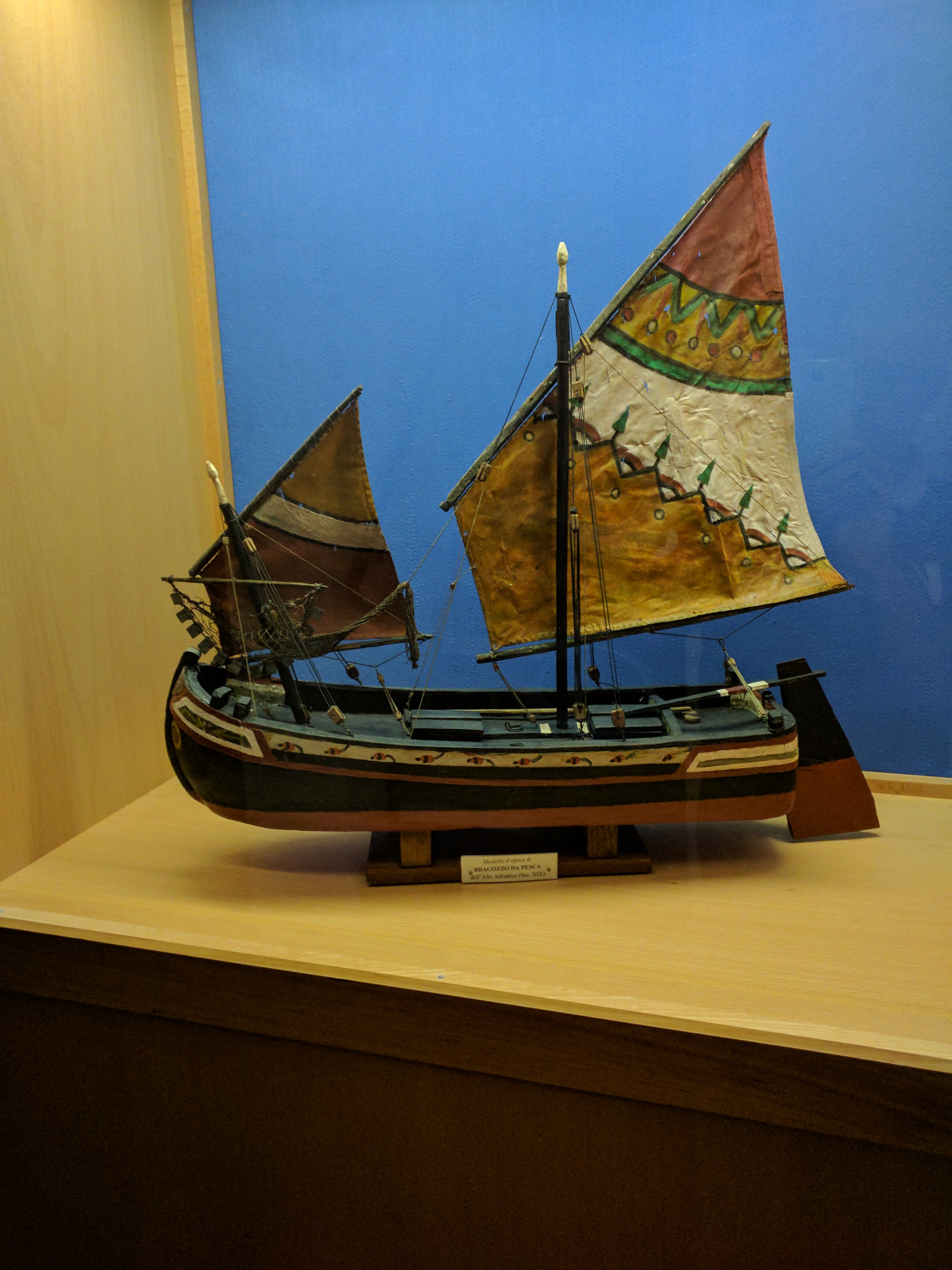
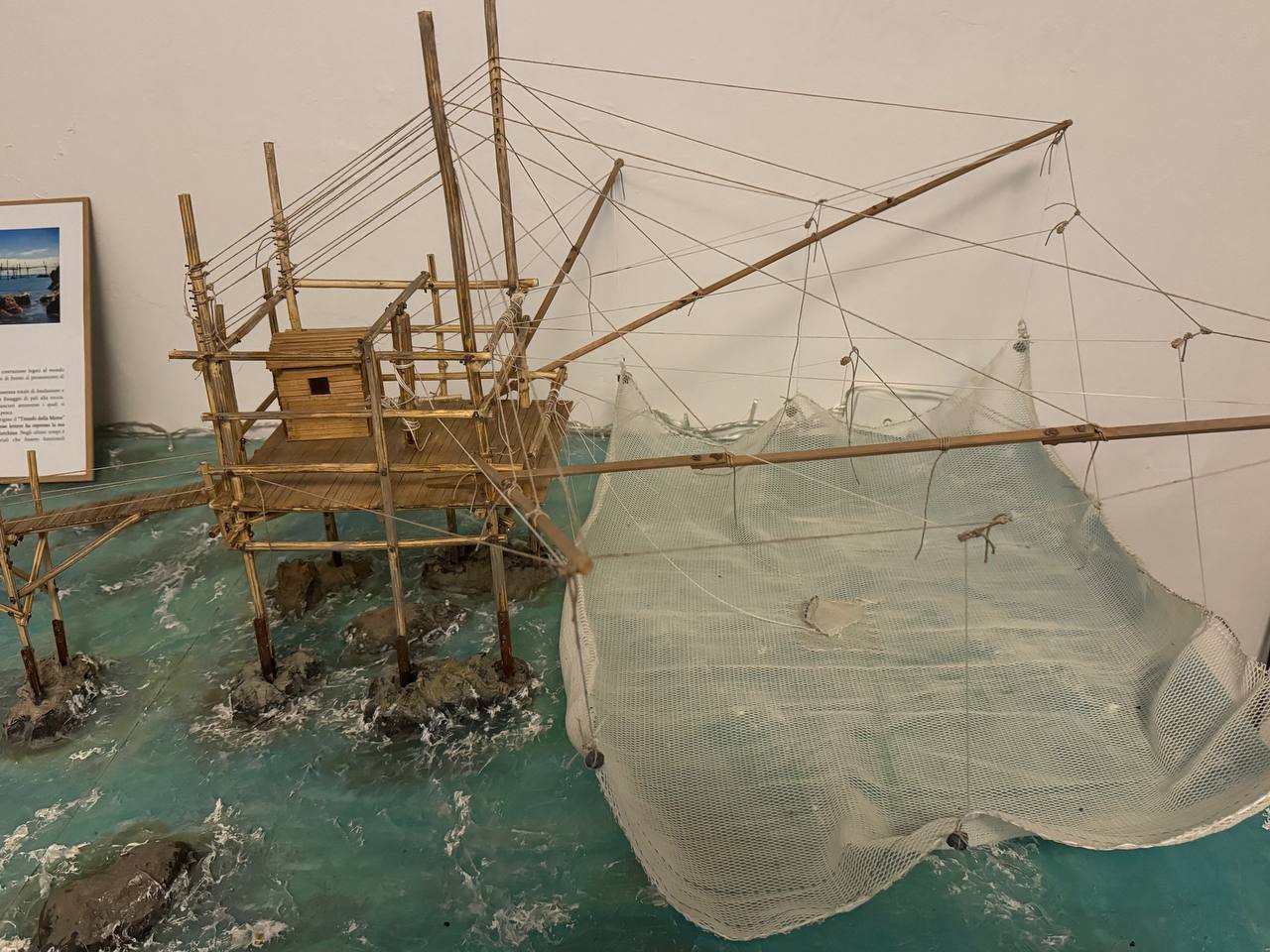
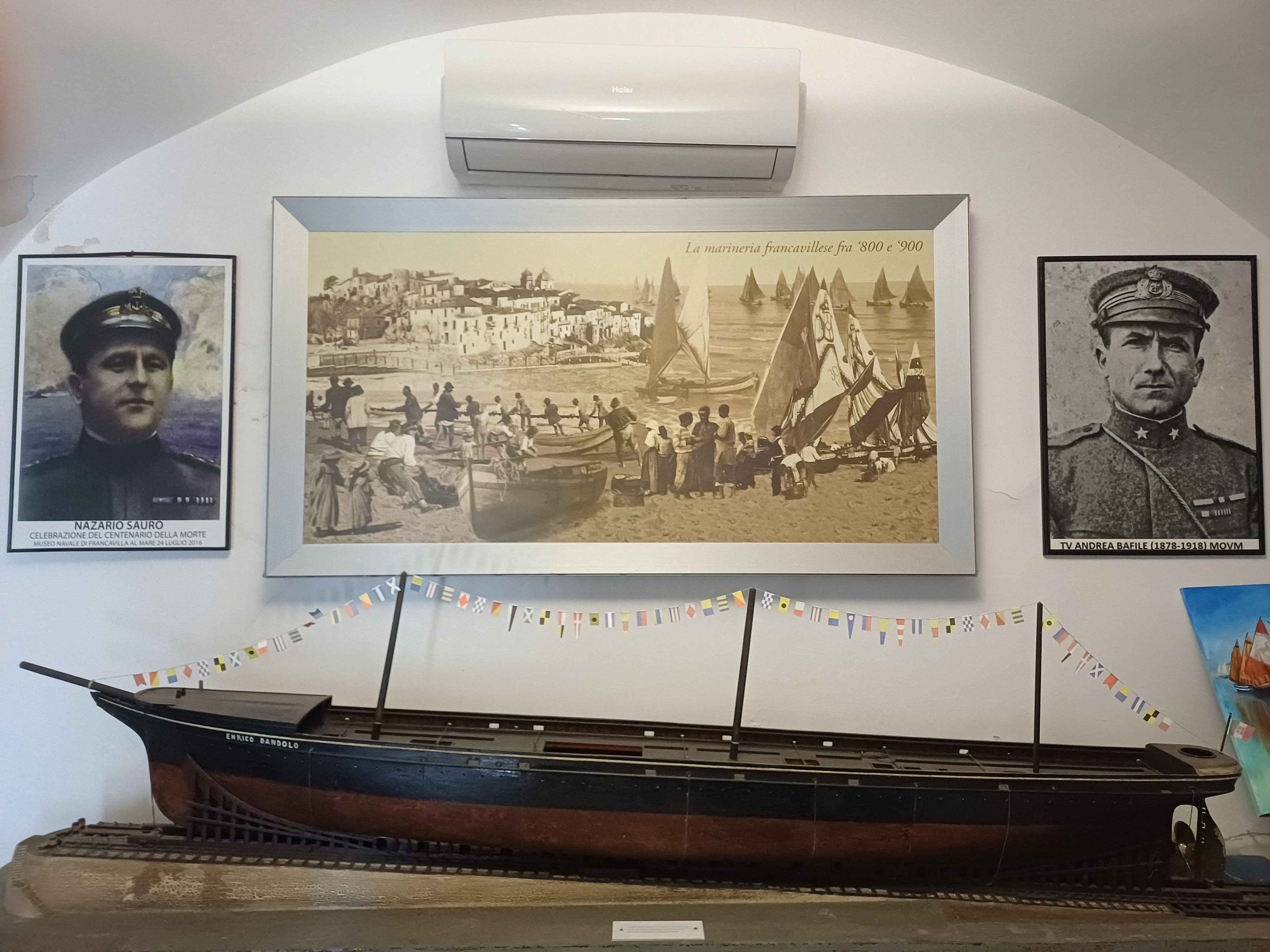
This floor is divided into three rooms and a bathroom, serving as an entrance, reception, and secretariat. It is not particularly museum-like, though it hosts notable pieces (e.g., a model of a steamboat on a launching slip over two meters long, an ancient model of an Upper Adriatic Bragozzo, an excellent scale model reconstruction of a historical Abruzzese trabocco (the Turchino), a collection of shells, a small chapel, and a telegraph machine from an early twentieth-century steamboat, etc.). Despite its small size, one of the rooms is equipped with about fifteen seats and is also used for meetings and gatherings of the association or local associations without their own premises.
The First Floor
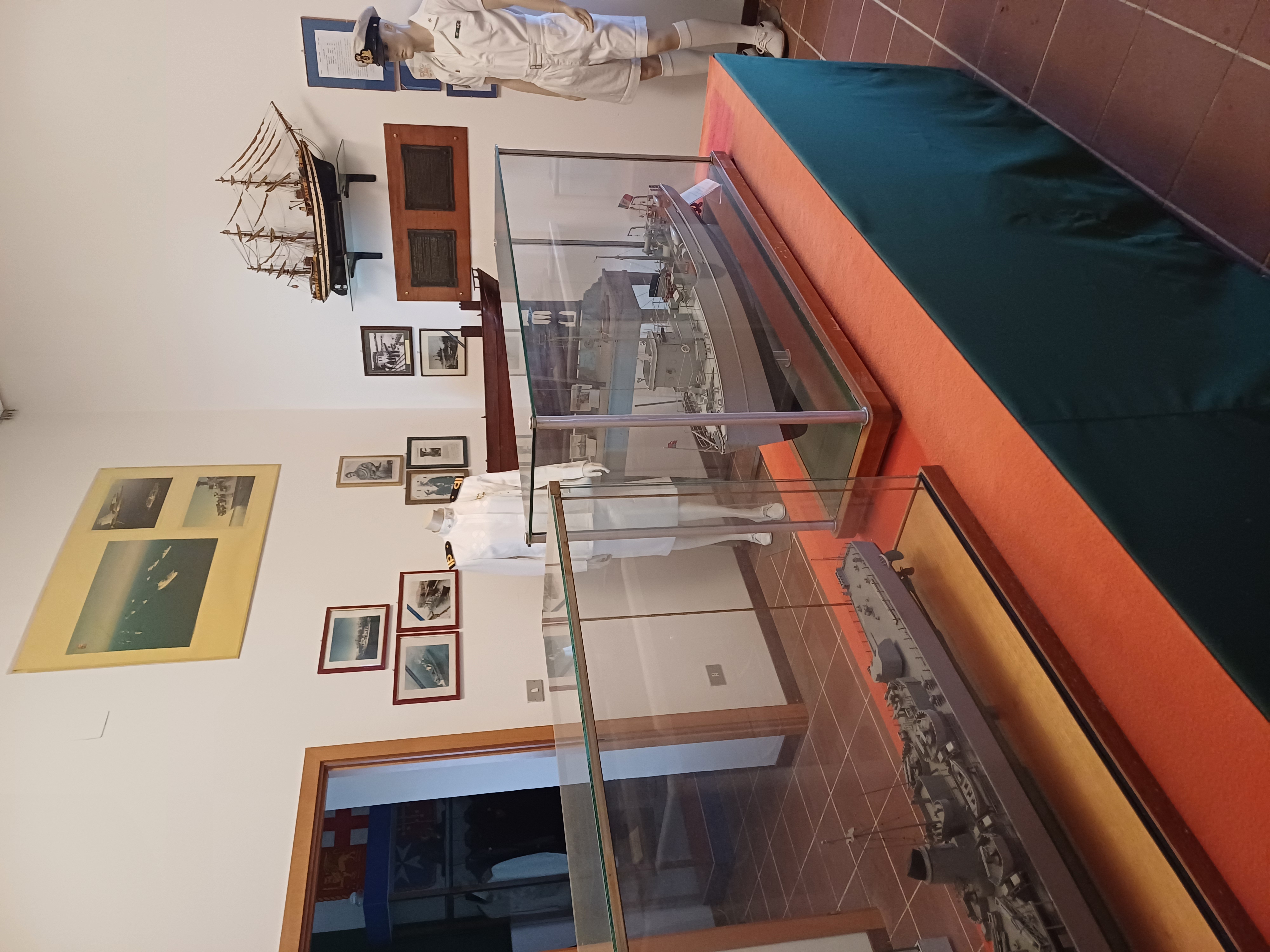
This floor is also divided into three rooms and mainly houses materials and models for technical insights on modern or contemporary nautical themes. One of the three rooms is entirely dedicated to uniformology, while the others feature niche thematic areas (e.g., naval numismatics and philately).
The Second Floor
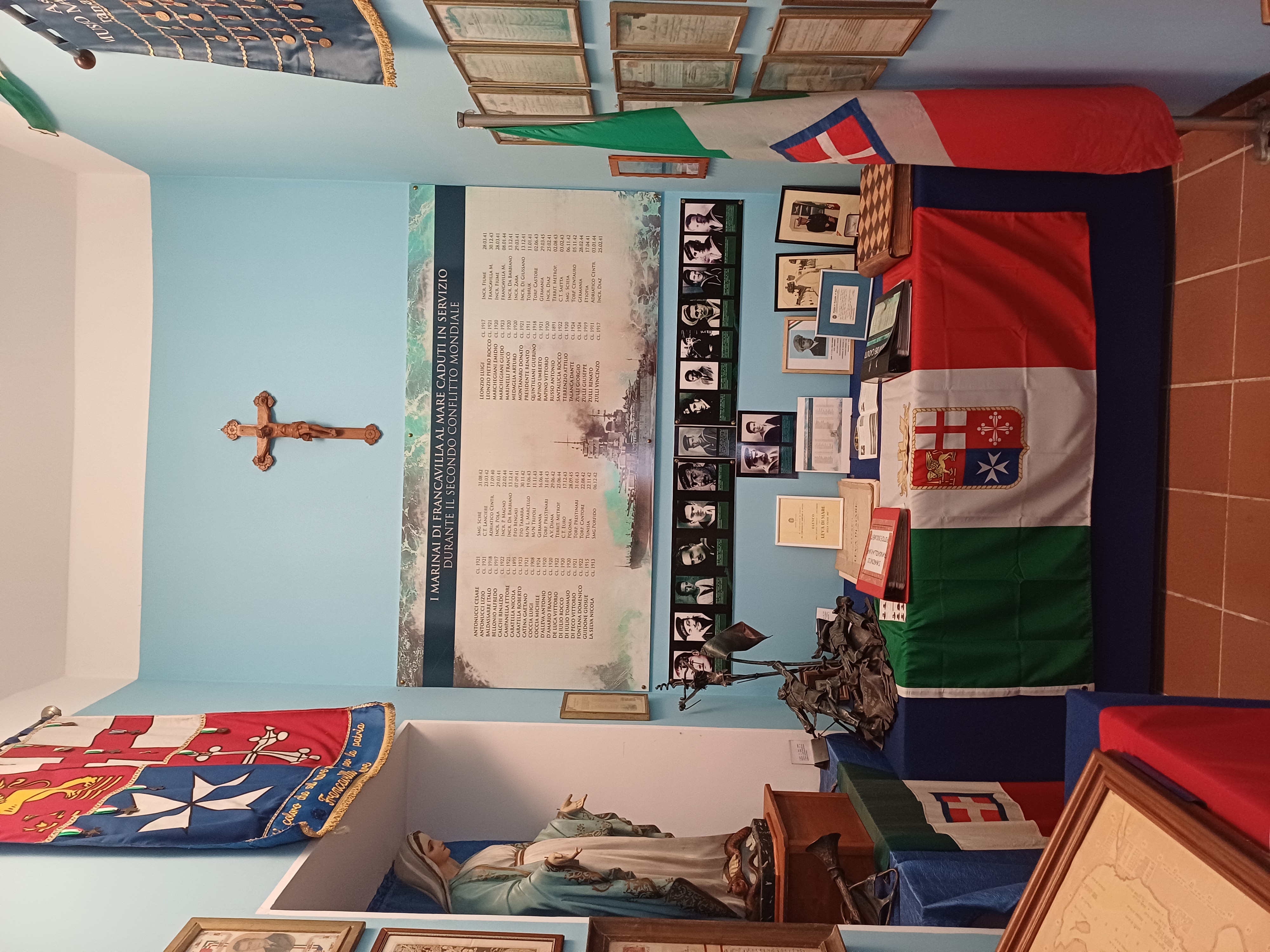
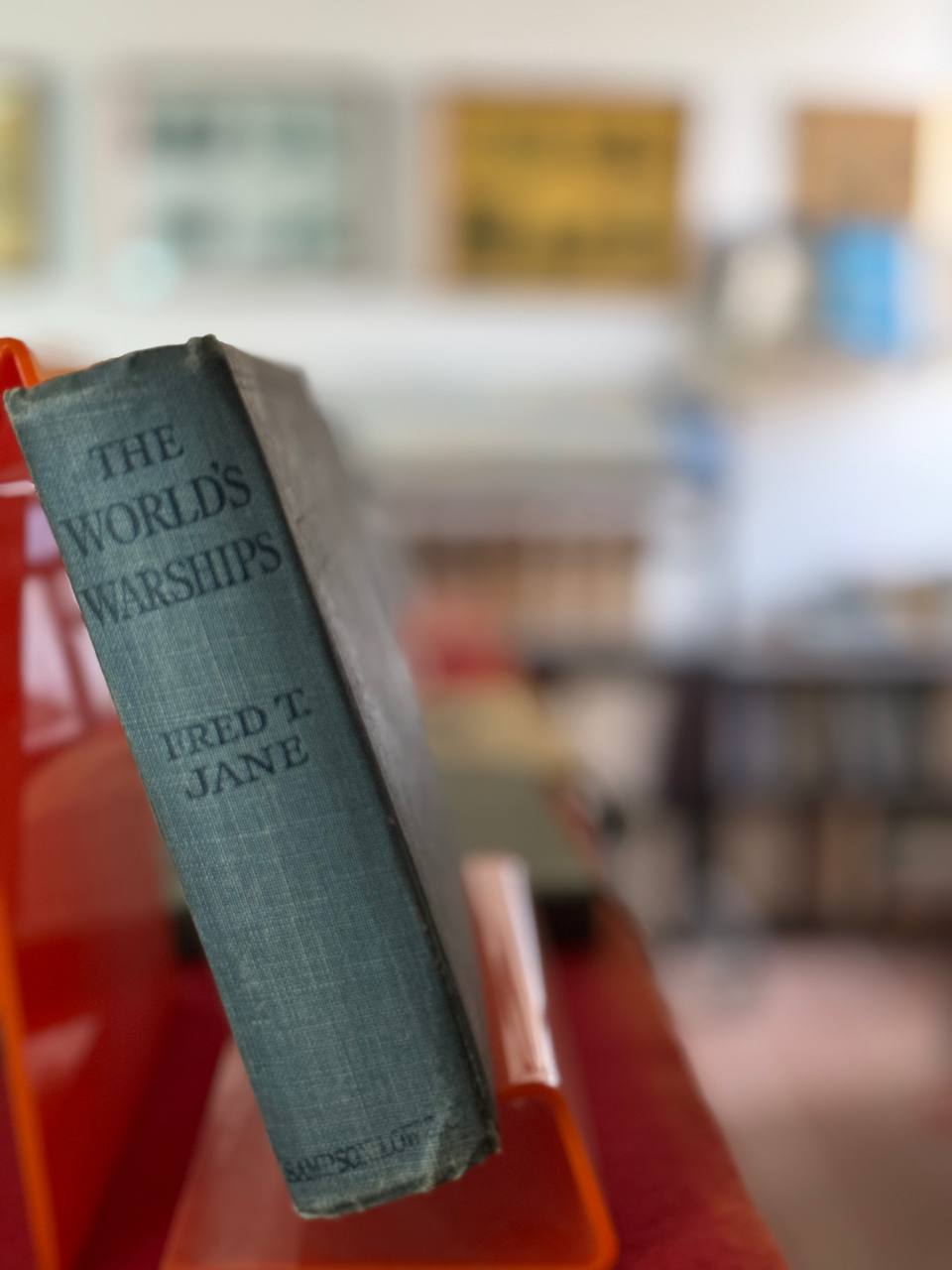
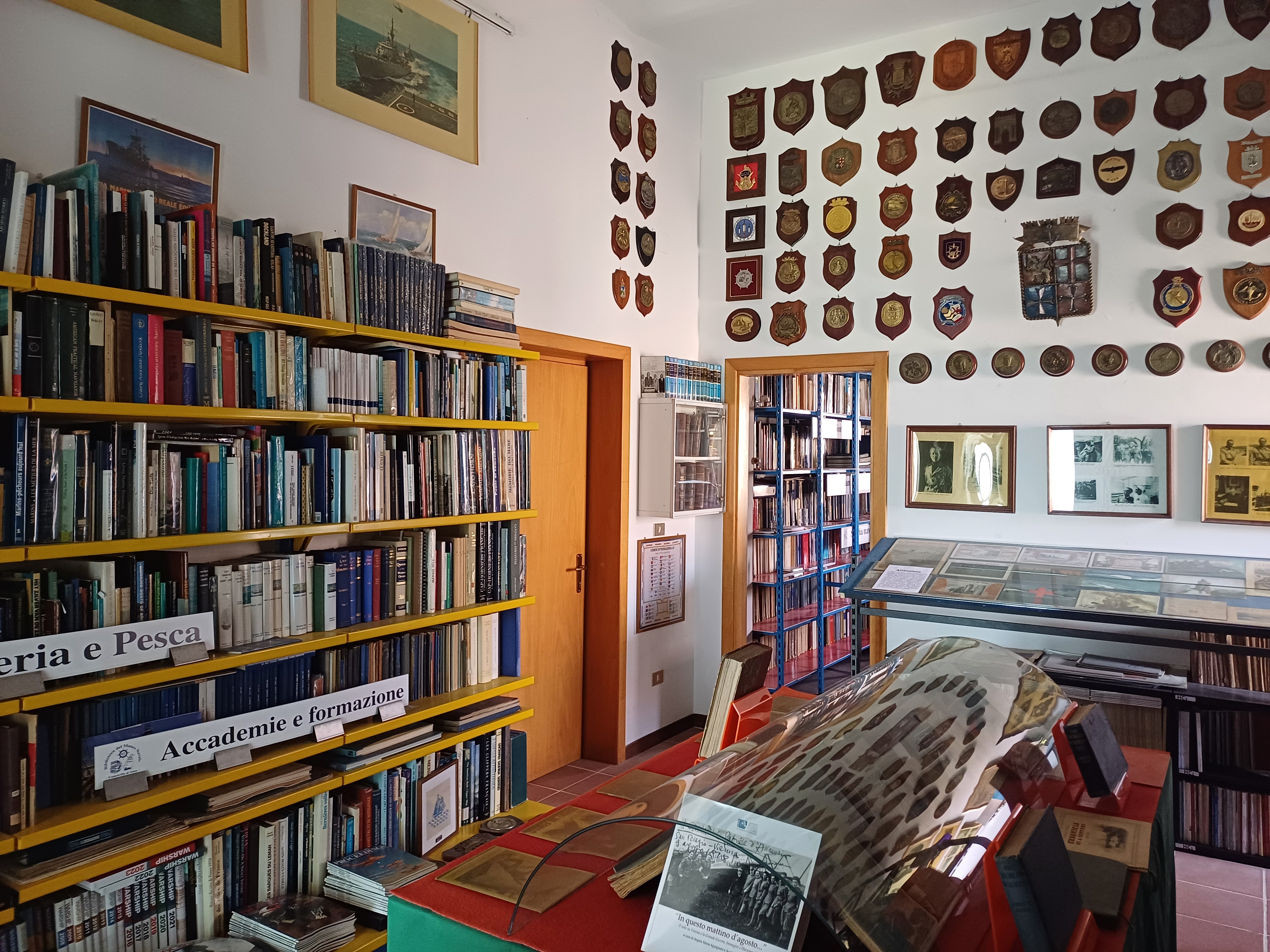
This floor is divided into three exhibition rooms and a service bathroom. The two main rooms host the museum's library and are equipped for projecting educational material on electronic media as well as consultation desks. The third room is dedicated to a commemorative area with material on the fallen of Francavilla in the last world conflict and testimonies about sailors from Francavilla's past.
The Third Floor
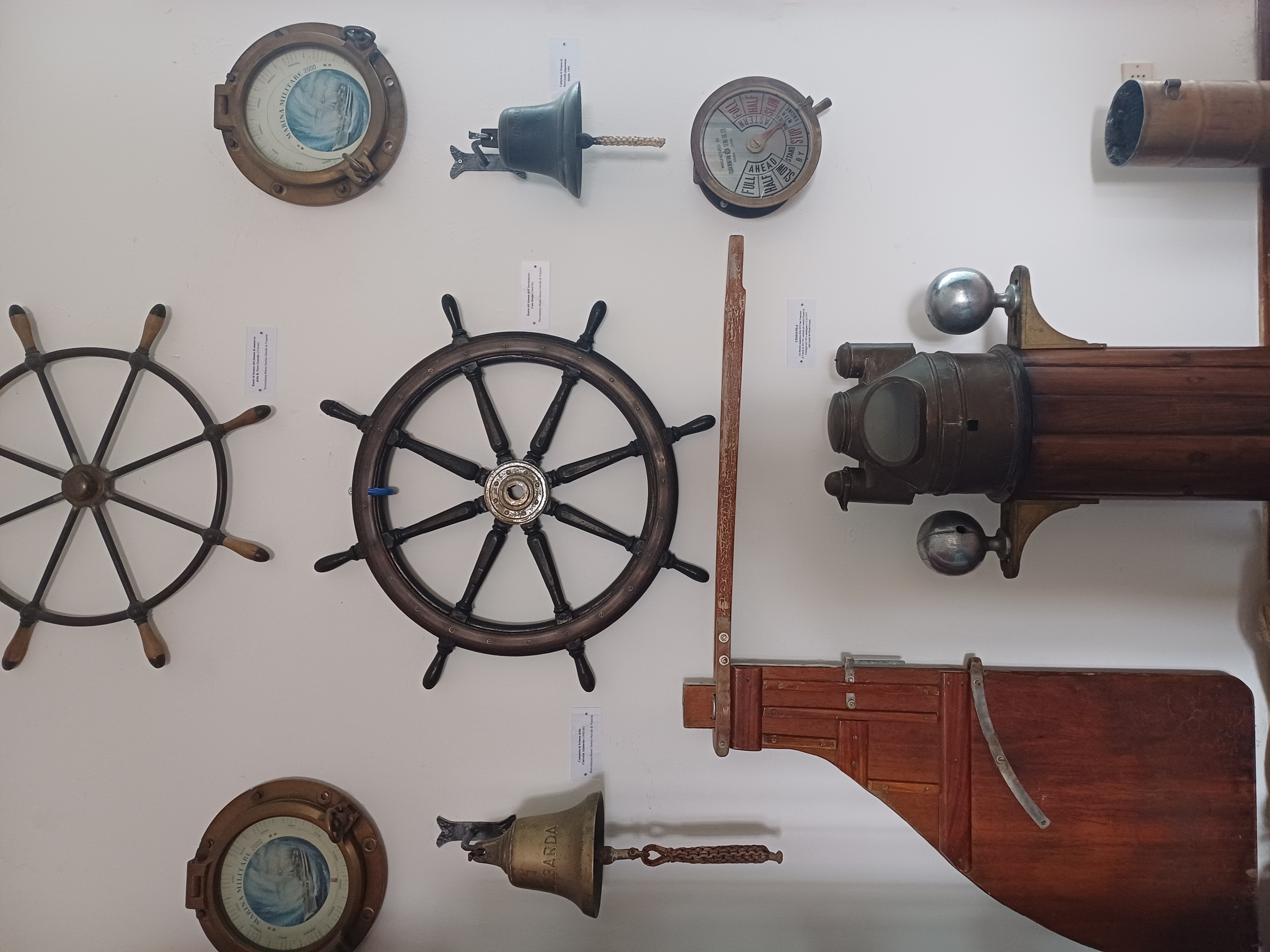
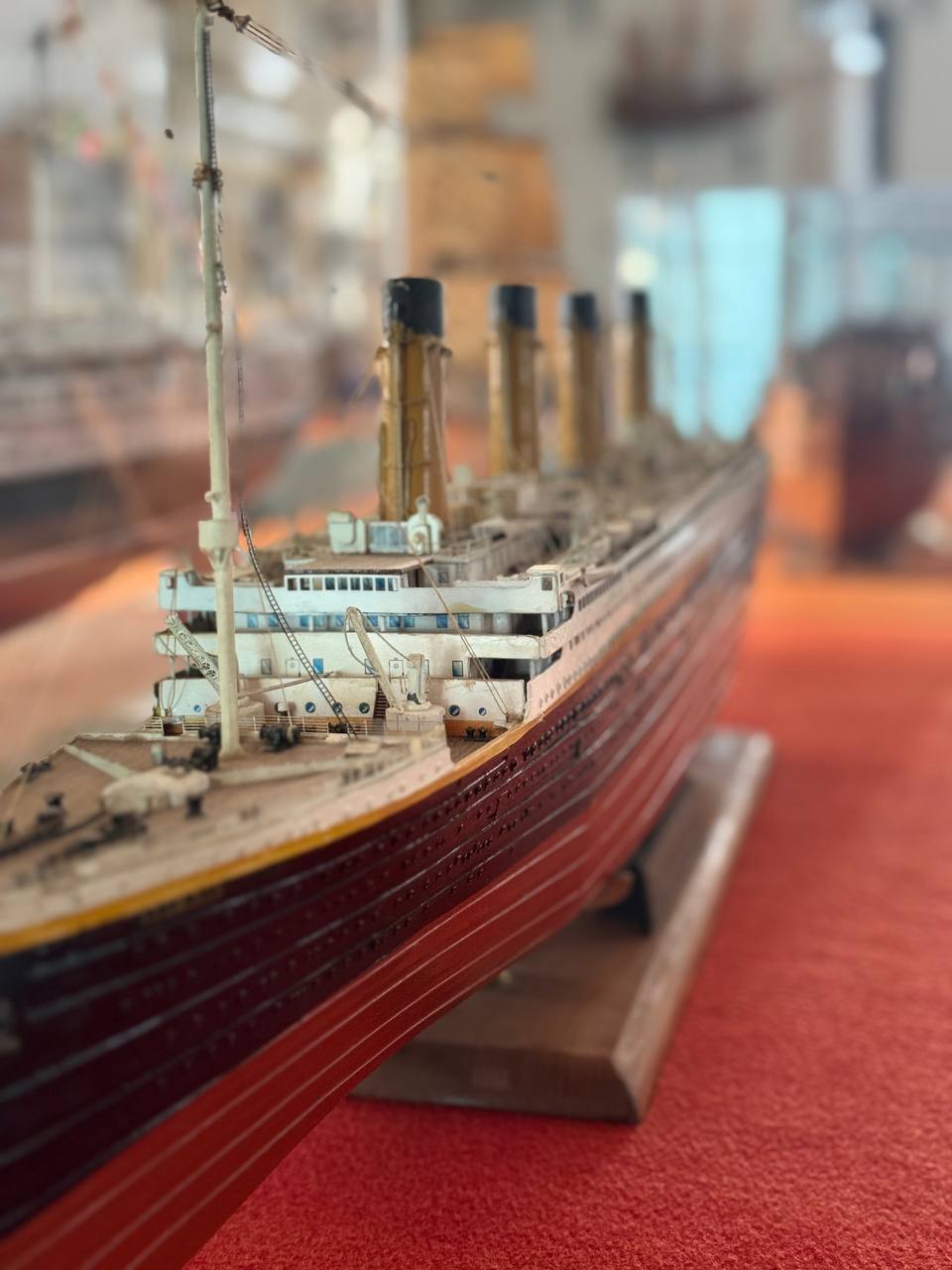
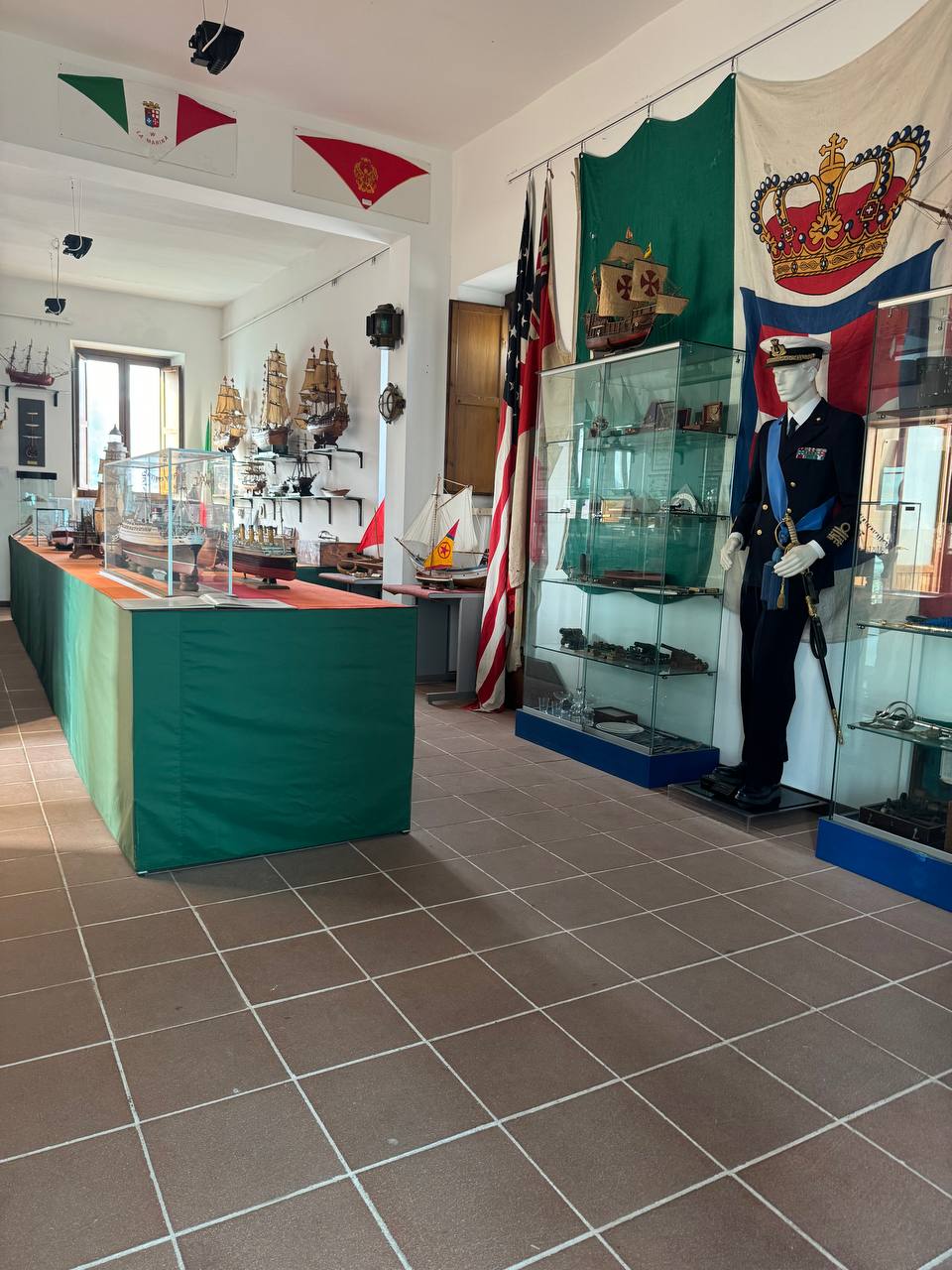
This floor consists of a single room that opens onto an external balcony offering a fantastic view of the sea and the town. This floor is dedicated to nautical and naval themes, especially from the past, starting from an archaeological area and a fairly complete collection of ship models and instruments from various periods and geographical areas. Being a larger room, it also houses areas dedicated to more strictly educational activities, e.g., a fully equipped chart table (some sextants, nautical squares, parallel rollers, naval clocks, brass naval lamps, compasses, slide rules, etc.) and a valuable collection of nautical charts.