History of Francavilla and Torre Ciarrapico to the present day
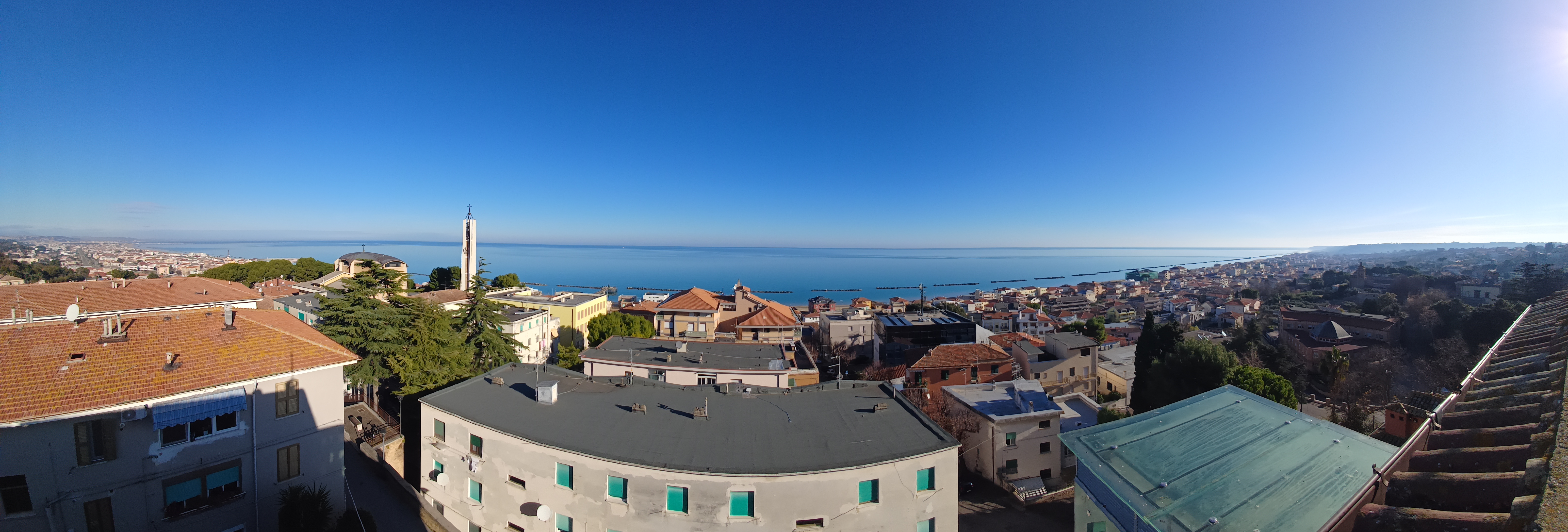
In the Francavilla area, multiple evidences of complex Roman and pre-Roman dwellings as well as a necropolis have been found, but no traces of a true urban settlement. The town likely has origins in the early medieval period, during the Lombard era. The history of Francavilla in the full and late medieval period suggests an active and prosperous town thanks to the presence of a port (of which information remains, but no vestiges), a salt depot (a plus in the commercial organization of the time) and various expressions of commerce, e.g., the holding of a Fair (Assumption Fair, testified since 1307). Unfortunately, the complete loss of the municipal historical archives leaves us with no tangible evidence of town life. What little we know comes only from external historical archives. For example, we know that in 1504, following the territorial reorganizations after the conclusion of the Italian Wars with the victories of Cerignola and the Garigliano that had decreed the final expulsion of the French troops of Louis XII from southern Italy, Francavilla was confirmed as a Duchy assigned to Costanza D’Avalos as a token of gratitude for the heroic defense of Ischia from the assault of the French fleet. The Duchy of Francavilla had been created just three years earlier by Federico of Aragon, who had, before leaving for the final exile in France, assigned it to Costanza D’Avalos to reward her loyalty and for her work done in the temporary court of Ischia.
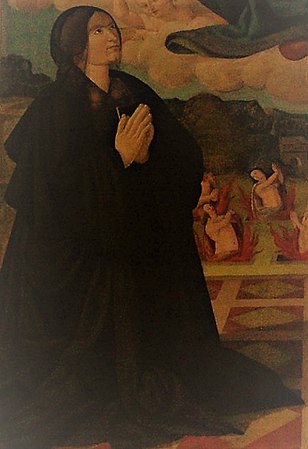
Portrait of Costanza D’Avalos – Convent of Sant'Antonio in Ischia
Costanza D’Avalos, an important figure in the town's history, was the daughter of Antonella D’Aquino, Marchioness of Pescara and Countess of Loreto and Monteodorisio, and thus already had historical-family ties with the lands of Abruzzo, but the choice to create a Duchy precisely in Francavilla itself testifies to the town's flourishing state at that time. In 1533, this Duchy was even transformed into a Principality by Charles V (though more for political reasons than for the actual importance of the territories). It is undeniable, however, that Francavilla in the first half of the 16th century enjoyed an important period of growth and prosperity, which was abruptly interrupted between July 30 and 31, 1566. On those days, the fleet of Pialì Bassà (Piyale Pasha), kapudanpasa (Grand Admiral) of the Ottoman fleet of Sultan Suleiman the Magnificent on a mission of exploration and conquest in the Adriatic Sea, to avenge the losses and time wasted the day before to probe just north the very modest wealth of the civil settlements (at that time Castellamare was a very modest village and Pescara only a village of poor fishermen arisen in a swamp with an unhealthy climate) opposed to the initial defensive capabilities of the Duke of Atri in the nearby fortress being built, decided to attack Francavilla with all his 120 ships and about 7000 men.
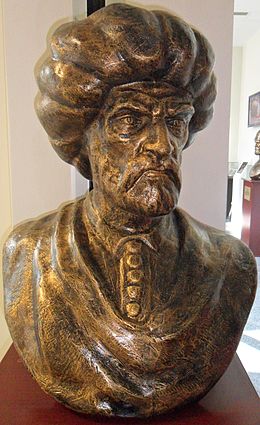
Bust of Pialì Bassà at the Naval Museum of Istanbul
In Francavilla, economic growth had evidently not been accompanied by the realization of significant defensive works, even though historical records tell us that the city had already been defended by a city wall enriched with twelve towers for more than two centuries. However, this was evidently very little to oppose the overwhelming Ottoman forces. The city was quickly overrun and practically destroyed. It is estimated that the booty and the really high number of prisoners taken into slavery significantly reduced the maneuverability of the Ottoman fleet, which, although only with incursions of small bands, continued anyway in the following two days operations of raiding on the coast and in the immediate hinterland in its slow descent towards the south. The news of the destructions, raids, and incursions had however already arrived at all the main coastal towns and, for example, in Termoli on August 2 the Saracens found a town already completely evacuated, with most of the inhabitants having taken refuge in the nearby fortified town of Guglionesi. The extent of the raids carried out in those days and the news that arrived from Hungary about the health of the sultan were such as to induce Pialì not to insist further and to return home when, arriving at the Tremiti Islands (whose definitive conquest was actually the primary objective in the plan of the expedition agreed with the Magnificent), he encountered modest resistance from the fortified defenses of the island. Practically destroyed and with its population more than halved, Francavilla fell into a period of inexorable decline and as a property of no fundamental value passed into the ownership of another branch of the D’Avalos, those of the principality of Montesarchio, as part of the dowry in marriages between elements of the two family branches. In 1602, within the territorial rearrangements facilitated by the distant Spanish court of Philip II and operations of buying and selling and loans between noble families of Naples, the territory came to the Caracciolo (and Di Capua) for only 25,000 ducats and then passed just 6 years later to the Di Palma, in an alternation of ownership quite characteristic of the relationships between these noble families of Naples. The D’Avalos returned as owners of Francavilla in 1648 and a few years later entrusted the management of local administration and collection of taxes for their possessions to the Ciarrapico family of Lanciano.
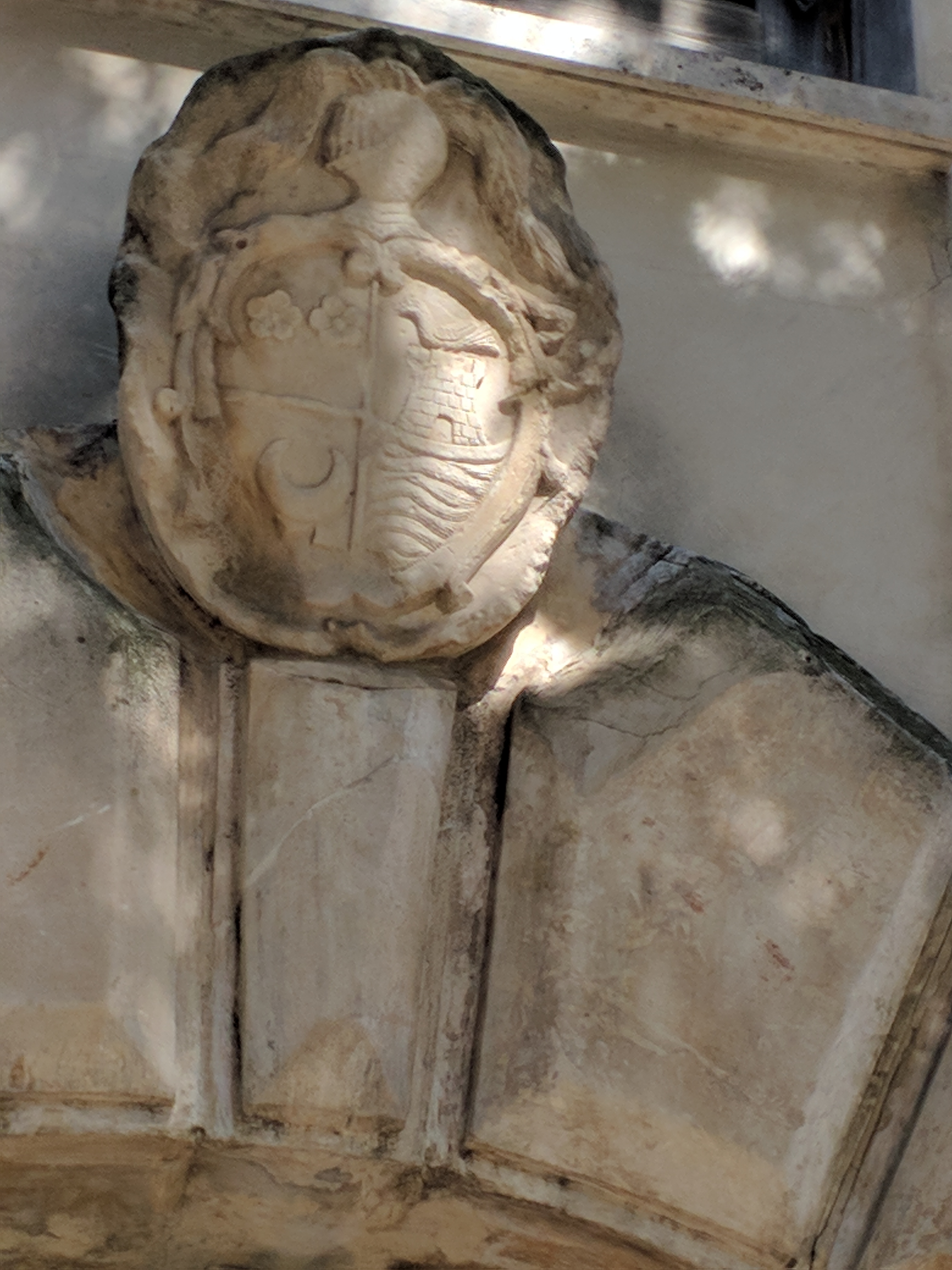
Coat of Arms on the door of Torre Ciarrapico
The Ciarrapicos, faced with this appointment, found excessive difficulties in finding a sufficiently quality lodging in the urban core, which testifies, despite the persistence of a picture of scant prosperity of the commercial fabric, to a relative demographic recovery of the town. Moreover, the entire coastal area of the kingdom continued (and would persist for centuries) to harbor a strong fear of Barbary incursions, and no one who had the slightest possibility dared to reside outside the city walls. The Ciarrapicos therefore opted for the construction of a new residence by exploiting the only remaining free space available within the perimeter of the walls, namely the garden and the cistern of the Franciscan work convent, which had re-entered in 1652 among the conventual structures suppressed by the decree of Pope Innocent X.
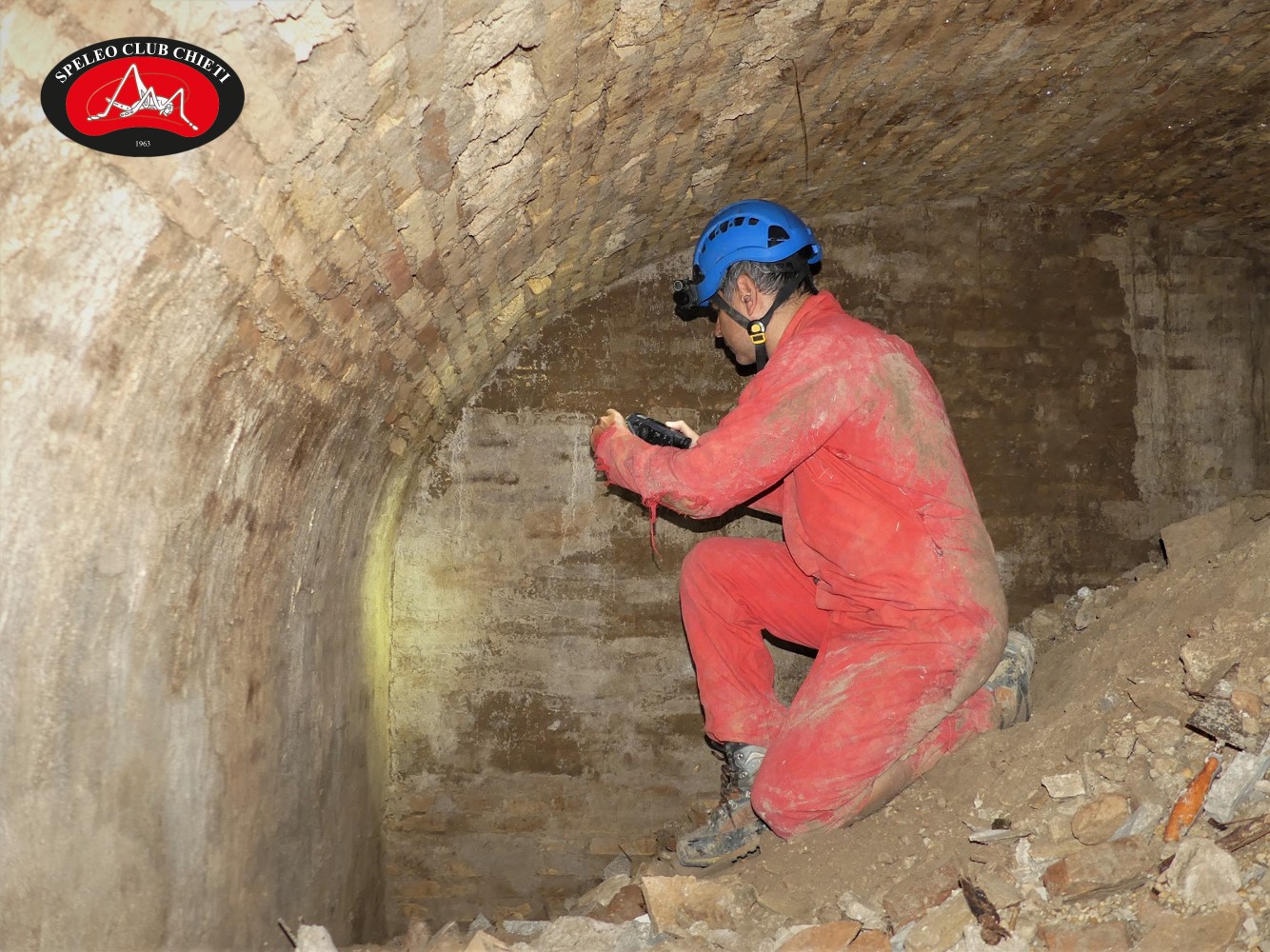
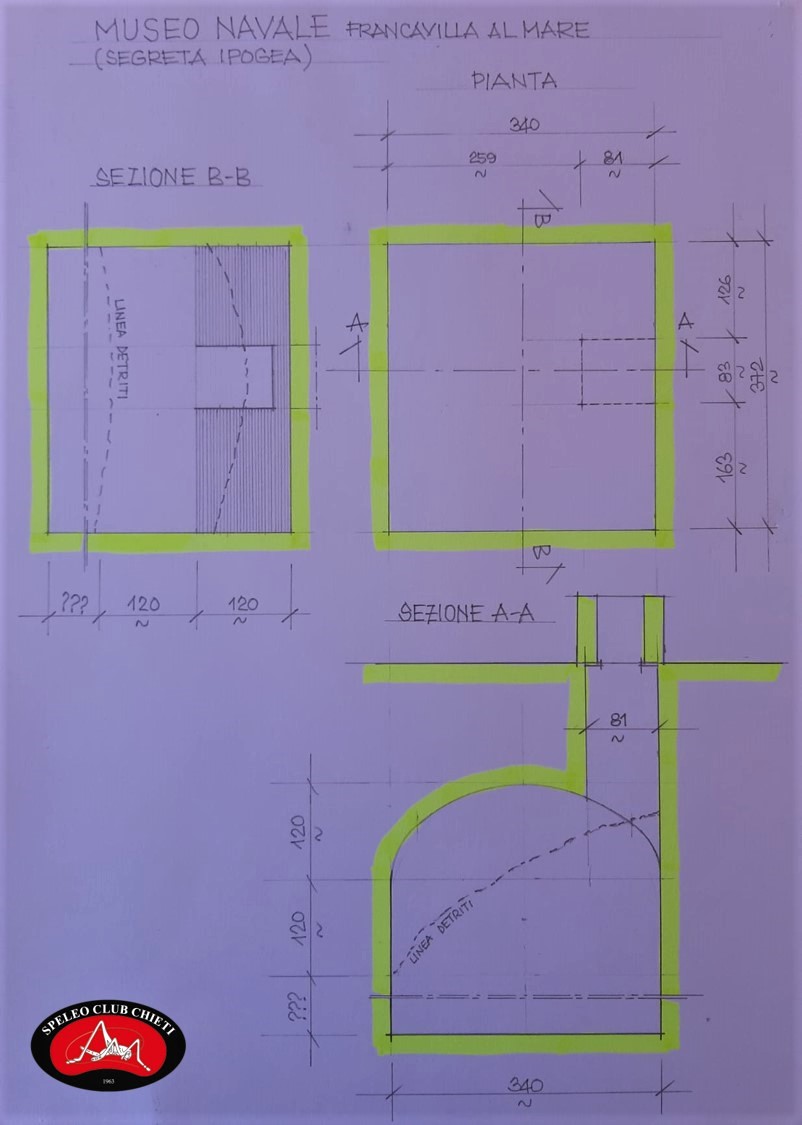
Remains of the cistern under Torre Ciarrapico and floor plan
Thus, the new residence of the Ciarrapicos arose in a space relatively contiguous to the remains of the Franciscan convent and in particular to the south wall of the old Church of San Giovanni Battista, the central nucleus of the dismissed Franciscan work. Being relatively modest the area on which to build, the building was made of four floors, with a height well above the local construction standards, and therefore, despite never having had military functions, has always been known to the population as “the Tower”. In reality, Torre Ciarrapico has always had the function of a civil residence, except for a brief period at the turn of the last years of the 18th century and the first of the 19th when, together with the remnants of the nearby Franciscan convent, it was used as a garrison headquarters by the French who at that time occupied Abruzzo.
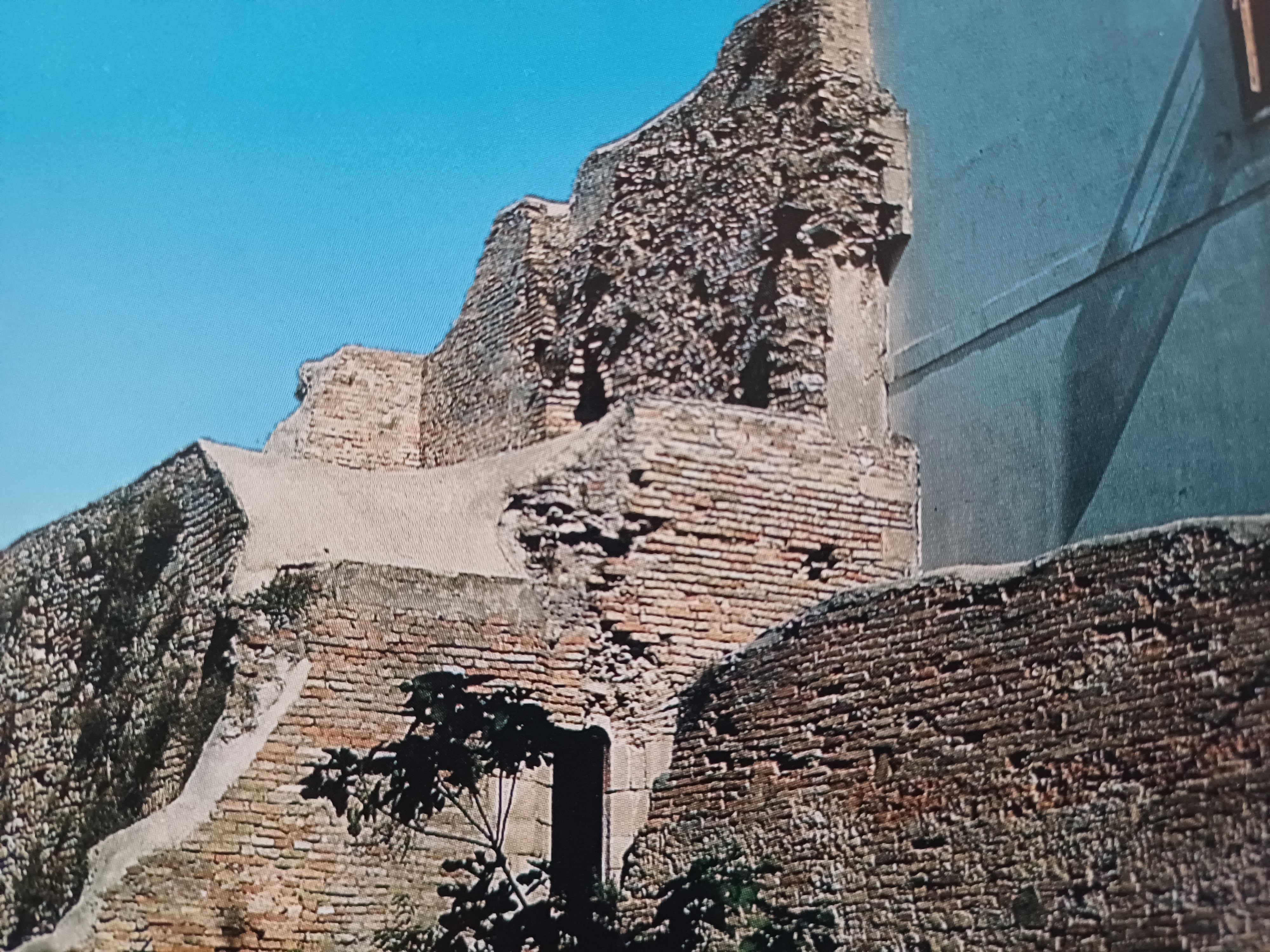
Remains of the Church of San Giovanni Battista and the Franciscan Convent
Dealing with the transformations related to the Napoleonic adventure, in 1811 Francavilla became a Municipality. In the reorganization of the municipalities of 1863 following the achieved national unity, the name Francavilla was changed to Francavilla al Mare to distinguish it from the other dozen homonymous towns and villages scattered across the national territory. Until World War II, Torre Ciarrapico continued to be a private residential building. However, after September 8, 1943, it was requisitioned by the Germans who, at the conclusion of the Battle of Ortona, actively used it for a few months as an observation point of the front towards the Foro river. This use saved the building from the terrible fate of destruction that involved almost the entirety of the historic urban hilltop core. In 1944, immediately after the return of the evacuees (almost 6500 in Francavilla), Torre Ciarrapico, as the only intact building in the upper area of the town, became temporary accommodation for many families who had their homes destroyed. Once freed from this emergency use and become municipal property, the building was used as a district prison. With the gradual decommissioning of the district prisons throughout the national territory in the '50s and '60s, this unusual use of the building ceased quite quickly, but was followed by long years of abandonment and decay.
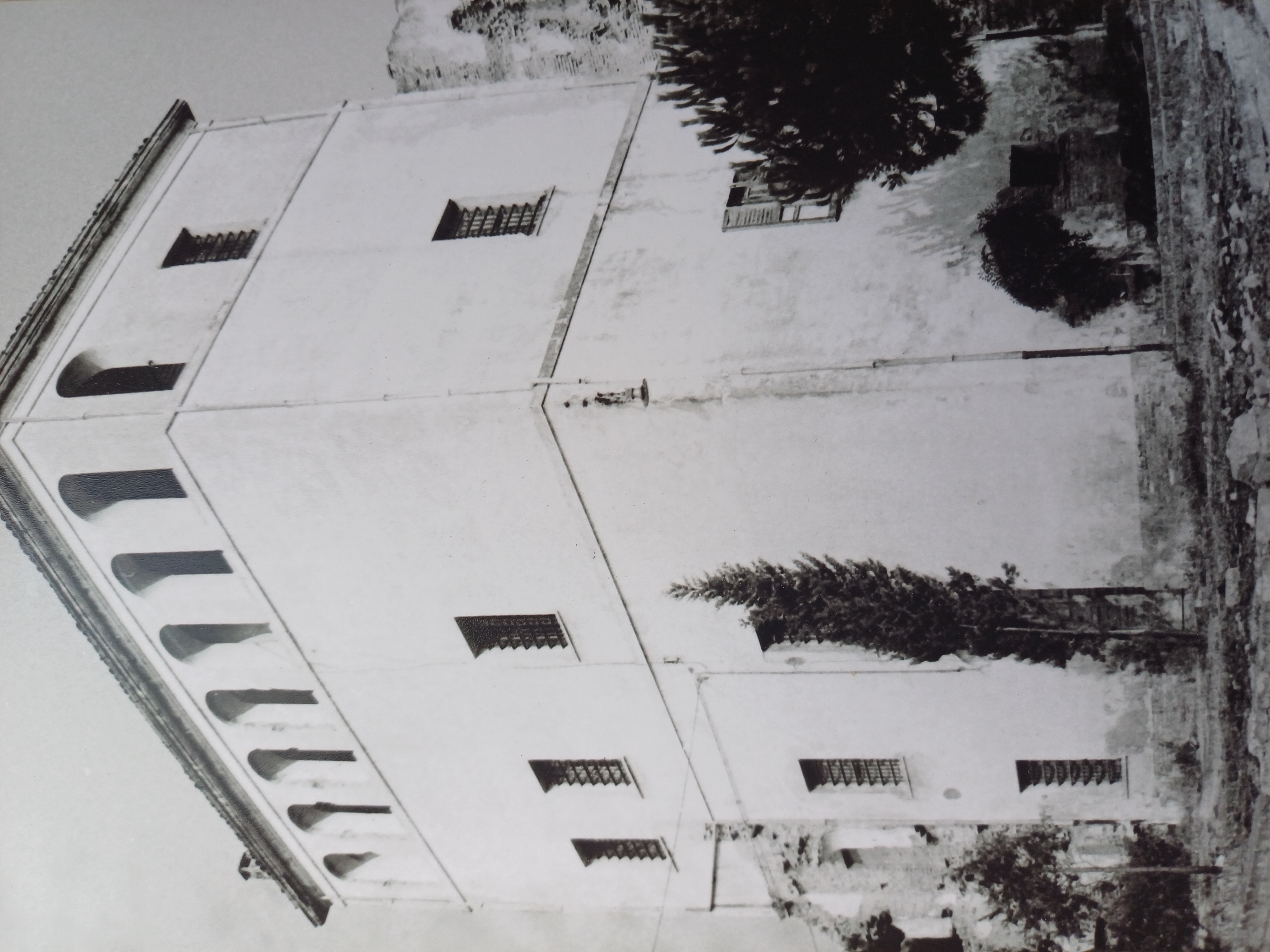
Torre Ciarrapico in the 1970s
In 1988, Torre Ciarrapico was finally the subject of major renovation works designed by Eng. Raciti, benefiting from community funding aimed at the creation of a building for cultural purposes. After the refurbishment works, in the early '90s it then hosted some painting exhibitions (1993 Giorgio Acerra, 1994 “fear” curated by the cultural association Diramazioni, 1995 “the artists of Torre Ciarrapico”). It became then (at least hypothetically) the headquarters of a Slow Food center, but the presence of significant architectural barriers gradually precluded its further use. Temporarily (and unofficially) assigned to a youth association for the 2004 edition of “evaded spaces” it transformed for a few years into a sort of social center, triggering some problems of coexistence with the resident population in the neighborhood. In 2008, returned to the full availability of the administration, further processes of requalification allowed the installation of an external elevator in glass and steel which, along with many controversies about the architectural choice, however, also led to the resolution of the aforementioned architectural barriers.
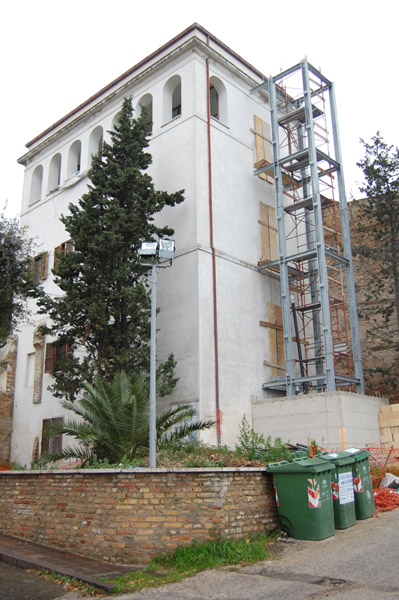
The 2008 redevelopment with the construction of the elevator
It was then, obviously improperly, used by the Municipality and some associations as a warehouse and subsequently entrusted to a local historian, Giuseppe Iacone, to explore the possibility of creating a Civic Museum on the Contemporary History of Francavilla al Mare. This experience also ended quickly, and the building was made available to the parish of Santa Maria Maggiore, which was undergoing restoration and modernization works, for its catechism courses. In 2015 it was then temporarily designated to accommodate the offices of the social services of the Municipality that occupied the first two floors of the building. Following a municipal resolution, the remaining portions began to take shape as a museum sketch owned and managed by the Abruzzese Center for Naval Culture and Tradition Studies.
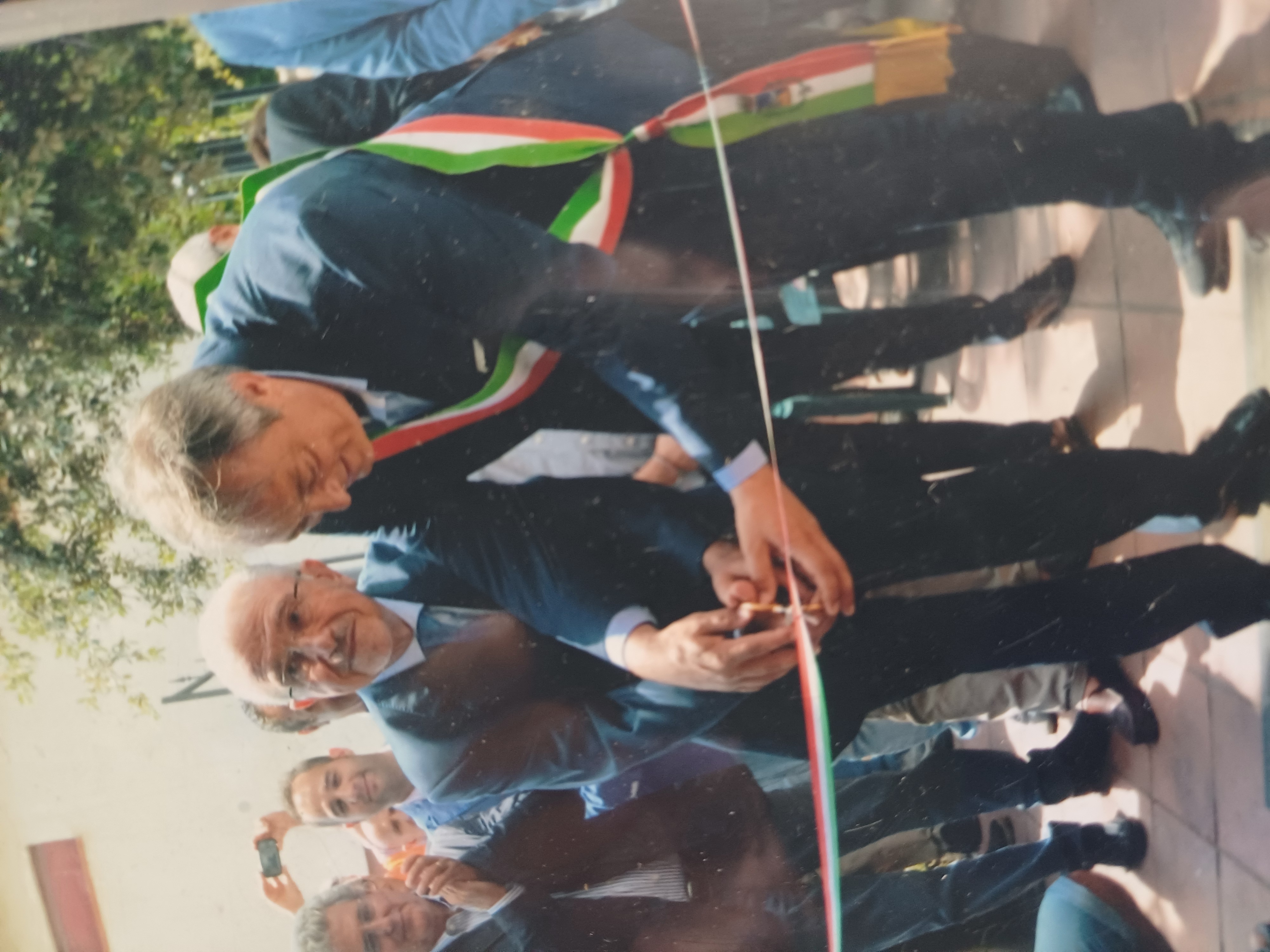
The Inauguration of the “E. Maio Masci” Naval Museum in 2015
In 2017, the social services were transferred to their definitive headquarters and finally, the building, in compliance with the original clauses of the financing for the renovation, was wholly destined for cultural purposes. Since February 2021, following resolutions and the signing of a twenty-year agreement between the parties, Torre Ciarrapico has been definitively assigned as the headquarters of the Naval Museum “E. Maio Masci”.
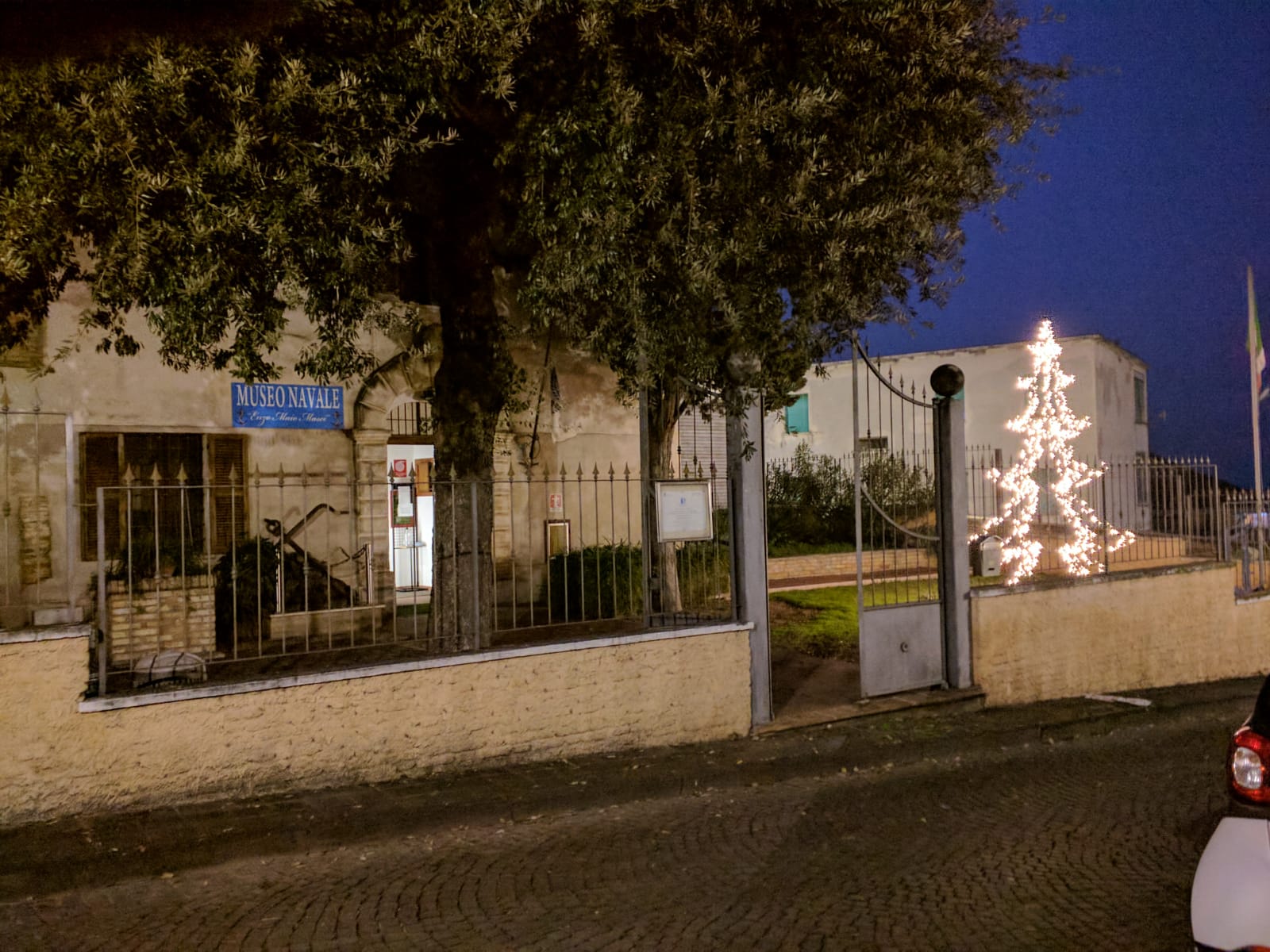
The Museum Today